

Projects
Across different segments and technologies, our innovation projects aim to demonstrate scalable solutions and to build new value-chains. Explore some of our pioneering initiatives below.
Want to collaborate on new solutions? Reach out to our team.





Bringing wind back to shipping
Wind is a clean and renewable energy source that is already available at sea. Orcelle Horizon prepares the ground for wind as the primary propulsion source in deep-sea shipping.
The fast-track to ammonia in shipping
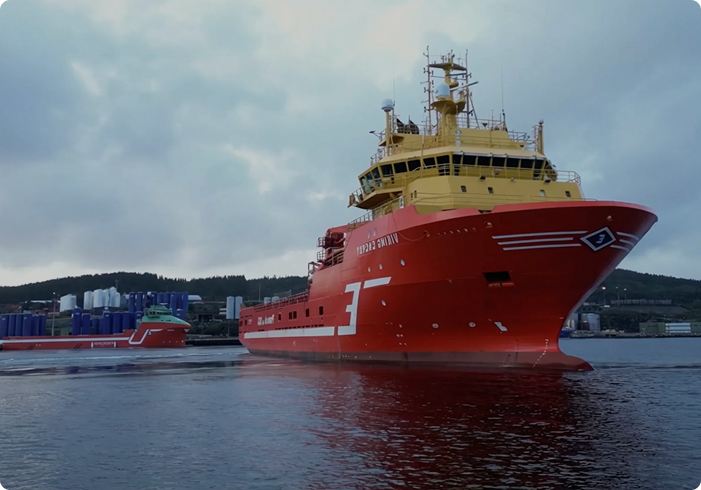
The Apollo project will make “Viking Energy” the world’s first ammonia-powered platform supply vessel. In 2026, the vessel will operate on ammonia for Equinor, with the potential of reducing GHG emissions by 70 percent or more.
.jpg)
Protecting marine life by lowering ship noise
Through the LOWNOISER project, Maritime CleanTech and partners will tackle the often-overlooked problem of underwater noise pollution caused by maritime traffic.

Smarter power for cleaner ships
STEESMAT future-proofs the global fleet by demonstrating a DC-based onboard energy system for large vessels, improving efficiency and enabling full integration of batteries and fuel cells.

Pioneering hydrogen-powered vessels
The FLAGSHIPS project takes zero-emission waterborne transport to an entirely new level by deploying two commercially operated hydrogen fuel cell vessels in Europe.

Unlocking cleaner sailings with artificial intelligence
Green AI for Sustainable Shipping (GASS) takes a data-driven approach to decarbonization, using digital twins and machine learning to optimise voyages and vessel performance.
Enabling offshore charging
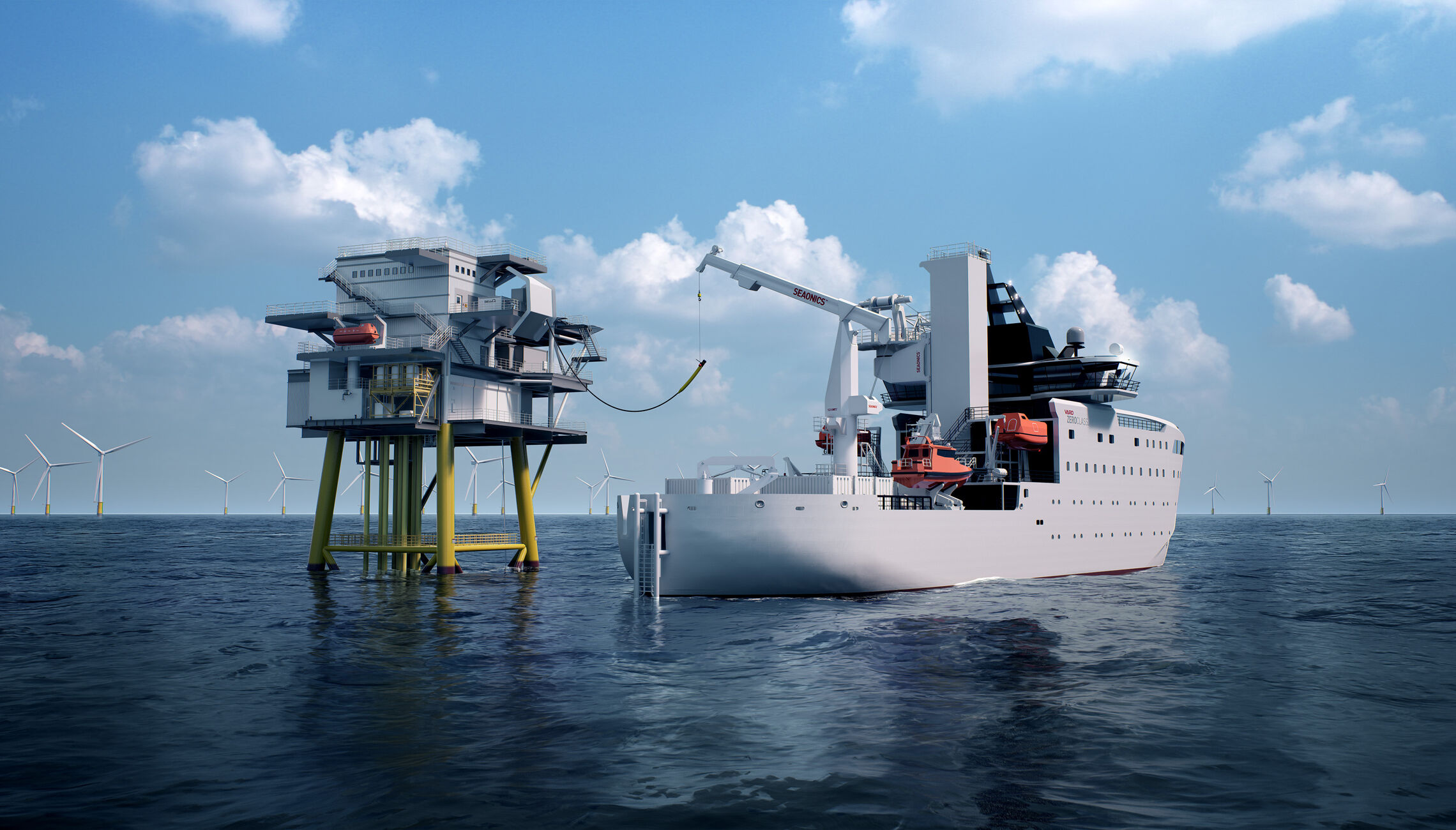
The Ocean Charger project has demonstrated a market-ready offshore charging solution for zero-emission operations at offshore wind farms.

The world’s first fully electric fast ferry
Utilizing advanced modular production, the TrAM project has developed the world’s first fully electric high-speed passenger vessel, Medstraum.

Building trust in clean solutions
Fast ferries are entering a decisive decade of transformation. New technologies are ready, but public trust will shape how fast they are adopted.

Contact
Want to explore collaboration? Get in touch today.